

Healthcare staffing continues to evolve as organizations adapt to workforce shortages, advancing technology, and changing patient needs. In 2026, several key trends are shaping smarter, more strategic hiring decisions.
1. Flexible Workforce Models
Contract, travel, and contract-to-hire roles are becoming essential. These flexible staffing solutions help organizations manage fluctuating patient volumes while reducing burnout among permanent staff.
2. Focus on Cultural Fit
Healthcare employers are prioritizing soft skills and team compatibility alongside clinical expertise. Strong communication and adaptability are now critical for long-term retention and improved patient outcomes.
3. Growth in Healthcare IT Roles
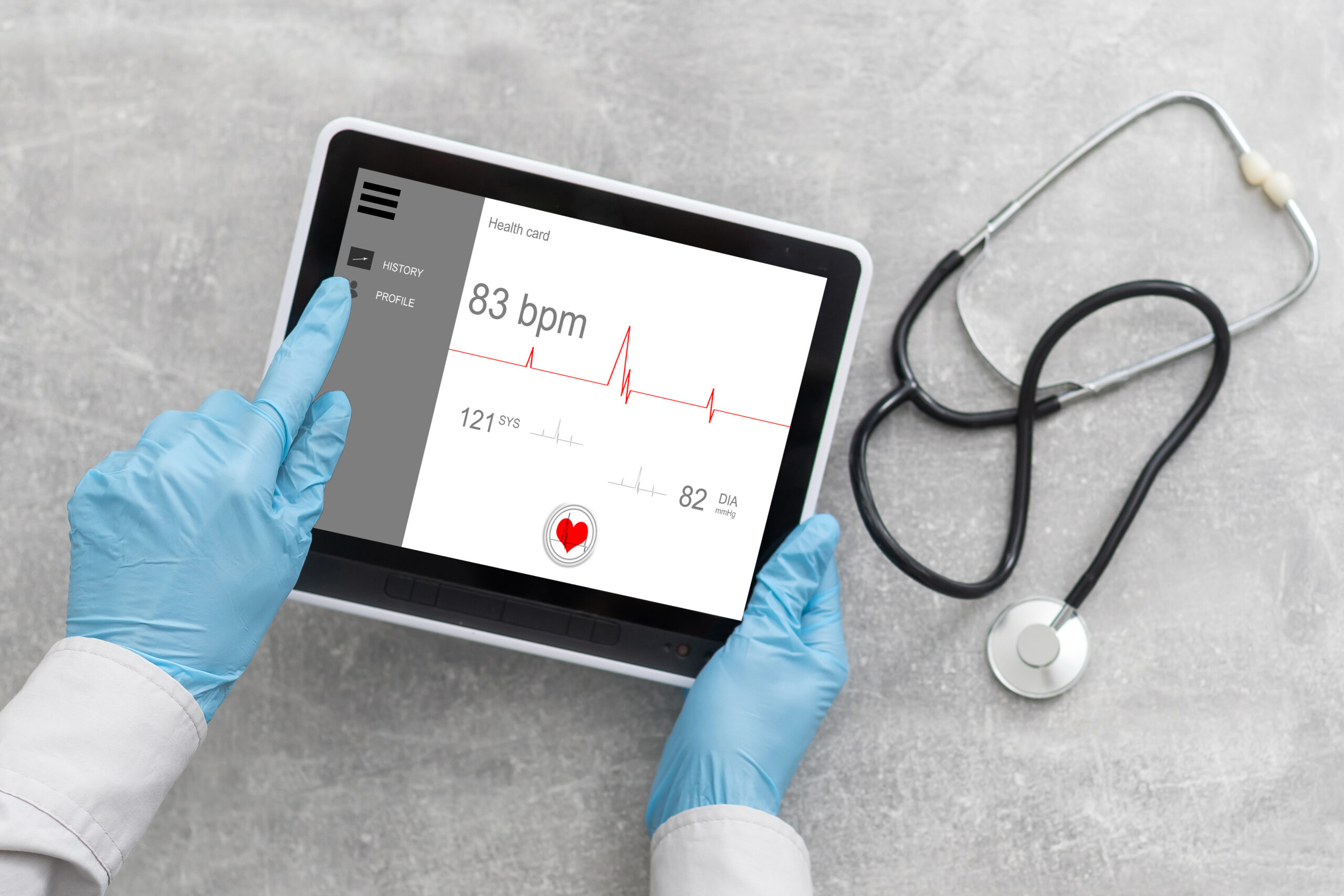
As EMR systems, telehealth, and digital platforms expand, demand for healthcare IT and technical professionals continues to rise.
4. Data-Driven Hiring
Organizations are using analytics to improve recruitment efficiency, forecast workforce needs, and reduce turnover.
“The future of healthcare staffing belongs to organizations that combine flexibility, technology, and a people-first approach.”
The Bottom Line: Success in 2026 depends on flexibility, technology integration, and building teams that balance expertise with compassion.
- Flexibility Is Essential
- Cultural Fit Drives Retention
- Healthcare IT Demand Is Rising
- Data-Driven Hiring Improves Outcomes

Healthcare staffing in 2026 demands adaptability, strategic planning, and a people-first mindset. As workforce challenges continue and technology reshapes care delivery, organizations that embrace flexible staffing models, prioritize cultural fit, and leverage data-driven insights will be best positioned for long-term success. By staying proactive and partnering with trusted staffing experts, healthcare leaders can build resilient teams that deliver consistent, high-quality patient care.